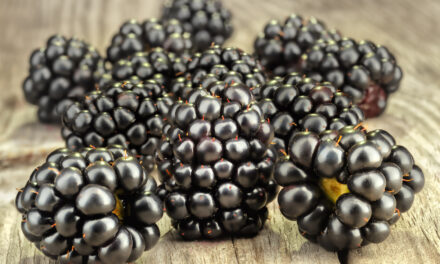
When I was a kid on my grandmother’s farm, the woods were our snack cabinet. We picked wild blackberries and raspberries, ate pawpaws when they dropped in late summer, chewed on sassafras root, and hunted for mayapples under their umbrella-shaped leaves on the shady forest floor. We probably ate plenty of things we shouldn’t have.
I didn’t think of any of it as medicine. It was just what you did. Only years later did I learn that the same mayapple plant whose fruit I ate as a boy had a root poisonous enough to kill, and that a compound from that root became one of the most important cancer drugs in modern medicine.
My grandmother’s Cherokee heritage shaped more of my life than I realized at the time. And the more I’ve learned, the more I’ve seen how much of what her people knew has found its way, one way or another, onto today’s pharmacy shelves.
How the Cherokee Explain Medicine
The Cherokee have their own account of where disease and medicine come from. In the version recorded by ethnographer James Mooney in the late 1800s, the animals grew angry at being hunted carelessly and without respect, and they sent diseases to the people. The plants, seeing this, took pity. Each one agreed to provide a cure for one of the illnesses the animals had sent.
It’s a story about balance and respect, and it sums up how many traditional Cherokee saw the world: the medicine was already out there, if you knew how to find it and treated it with respect.
How the Knowledge Was Built
There were no labs or clinical trials. Cherokee plant knowledge was built the hard way, over generations:
- Watching and testing. People learned which plants helped, which part of the plant worked, the right time of year to harvest, and, just as important, how much was too much.
- Watching animals. Noticing what sick or injured animals sought out.
- Passing it down. Knowledge was handed from generation to generation, to healers chosen for the role. People went to them not only for physical illness but also for emotional troubles and life problems. Healing was about body and spirit together.
- Protecting the source. Many traditional gatherers followed practices like taking only every third plant so the species would survive for the next generation.
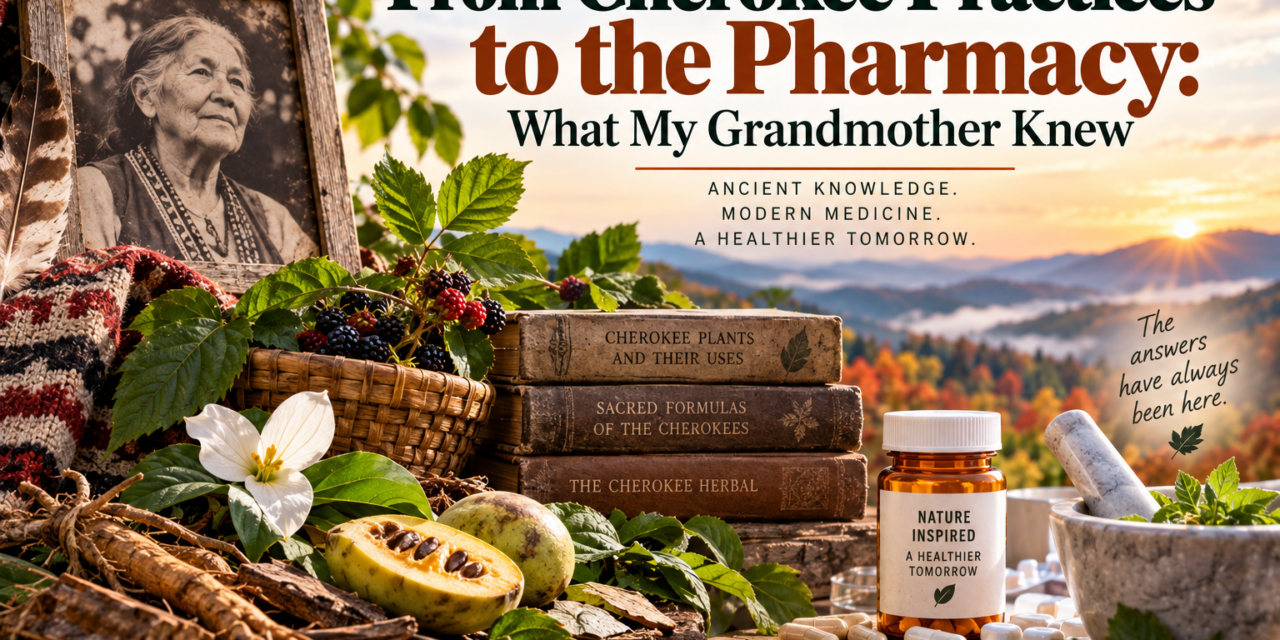
Much of this was never written down. What we do have comes from sources like Mooney’s Sacred Formulas of the Cherokees (1891), which recorded actual Cherokee medicine texts; William Bartram’s 18th-century observations of Cherokee and Creek plant medicine; Cherokee Plants and Their Uses by Paul Hamel and Mary Chiltoskey; and The Cherokee Herbal by J.T. Garrett, which covers more than 450 plants.
From the Woods to the Pharmacy
Mayapple → cancer treatment
Tribes including the Cherokee, Iroquois, and Delaware used small amounts of mayapple root as a purgative and to expel intestinal worms. Native healers also applied it to warts and skin growths.
In the 20th century, scientists isolated a compound called podophyllotoxin from mayapple roots. It led to the chemotherapy drugs etoposide and teniposide, which are used to treat lung and testicular cancers. A related compound is prescribed today to treat genital warts, much like the traditional wart remedy.
The plant I knew for its fruit turned out to hold one of the most powerful medicines in the forest.
Witch hazel → the drugstore staple
Native peoples, the Cherokee among them, used witch hazel bark and leaves for sores, swelling, and skin irritations, and taught early European settlers to do the same. Today it sits on nearly every drugstore shelf as an astringent for skin and is the active ingredient in common hemorrhoid pads and wipes.
Slippery elm → throat lozenges
The inner bark of the slippery elm turns soft and slick when mixed with water. Eastern woodland tribes used it to soothe sore throats, coughs, and upset stomachs. You’ll find it in throat lozenges today.
Wild cherry bark → cough syrup
The Cherokee used wild cherry bark for coughs, sore throats, and diarrhea. Wild cherry became a standard ingredient in cough syrups, which is why “cherry” is still the default cough medicine flavor.
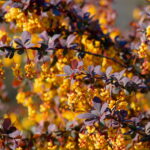
Goldenseal → berberine
Goldenseal was used by eastern tribes for skin and eye inflammation and as a general tonic. Its main active compound, berberine, is now one of the hottest supplements on the market, with some research supporting modest benefits for blood sugar and cholesterol. Two cautions: wild goldenseal has been heavily overharvested, and it can interact with a number of prescription medications.
Black cohosh → menopause relief
Native peoples of the Eastern woodlands used black cohosh root for a range of conditions, including women’s health. Today it’s one of the best-selling supplements for menopause symptoms such as hot flashes, though study results are mixed, and it has been linked to rare cases of liver injury. (See our article on supplements and your liver.)
American ginseng → one of the most traded herbs
Ginseng was treasured by the Cherokee as a strengthening tonic and became one of the most valuable wild herbs in Appalachia. Demand has been so high that wild ginseng harvesting is now regulated. (I wrote more about it in “Ginseng: A Cherokee Treasure for Health and Harmony.”)
Willow bark → a cousin of aspirin
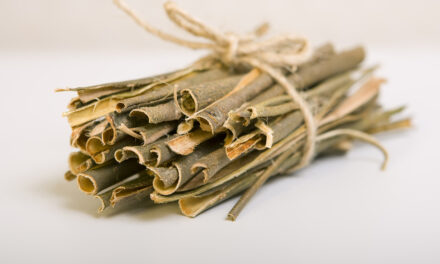
The Cherokee and many other cultures around the world used willow bark to bring down fevers and ease pain. Willow contains salicin, a natural relative of the active ingredient in aspirin. Aspirin itself came out of European laboratory research in the 1890s, but the traditional use of willow pointed in the same direction long before.
When “Natural” Doesn’t Mean Safe
My grandmother’s generation knew something that too many people forget today: powerful plants are powerful in both directions. The Cherokee Nation’s own cultural resources caution that these plants are valuable precisely because of the strong chemicals they contain, and that those same chemicals can be dangerous if misused.
Mayapple. The ripe yellow fruit is edible, and people across Appalachia have eaten it for generations. But the unripe green fruit, the seeds, and especially the roots and leaves are poisonous. Same plant: food, medicine, or poison, depending on which part you use and when.
Sassafras. Like a lot of country kids, I chewed sassafras root and drank sassafras tea. It was a traditional spring tonic and the original flavor of root beer. But in 1960 the FDA banned safrole, sassafras’s main oil, from food after studies linked it to cancer in lab animals. Modern root beer uses artificial flavoring or safrole-free extract. An occasional chew as a kid isn’t cause for alarm, but sassafras tea isn’t a daily habit I’d recommend.
Bloodroot. Used traditionally in small amounts, it’s now the main ingredient in “black salve” products sold online as natural cancer cures. These salves destroy healthy skin along with anything else, and the FDA warns against them.
The lesson isn’t that traditional remedies are dangerous. It’s that the knowledge was never just “this plant is good for you.” It was which part, which season, how much, and for whom. That knowledge took generations to build, and it’s easy to lose.
Keeping the Knowledge Alive
Fortunately, that knowledge is being protected. In Oklahoma, the Cherokee Nation’s Medicine Keepers are a group of elders who preserve traditional knowledge such as plant gathering and speak the Cherokee language fluently. They formed in 2008 to keep Cherokee environmental knowledge and practices alive and now mentor young Cherokees so the knowledge is passed on.
In 2022, the Cherokee Nation signed an agreement with the National Park Service to protect plants that matter to Cherokee culture, with the aim of revitalizing, protecting, and sharing the Medicine Keepers’ knowledge with younger generations.
It’s worth remembering, too, that some Cherokee medicine is sacred and was never meant for books or blogs. What I share here are my family’s memories and what’s been publicly documented. The deeper knowledge belongs to the Cherokee people and the healers who carry it.
What It Means for Us Today
Modern medicine didn’t invent most of what’s in the pharmacy. A large share of our medicines trace back to plants, and indigenous healers around the world often knew where to look long before scientists did. Research turned that knowledge into precise, purified, properly dosed drugs, and that’s a real advance. But the starting point was often people like my grandmother’s ancestors, paying close attention to the land.
When I think back to those days on the farm, picking mayapples and chewing sassafras root, I realize I was surrounded by a pharmacy and didn’t know it. My grandmother did.
This article is for informational purposes only and is not medical advice. Many medicinal plants are toxic if misidentified, harvested incorrectly, or used in the wrong amount. Never eat or use a wild plant unless you’re certain of its identity and safety, and talk to your healthcare provider before using any herbal remedy, especially if you take prescription medications.