
In the world of natural health supplements, few compounds have sparked as much interest as berberine. This vibrant yellow alkaloid, derived from ancient herbal traditions, is making waves for its potential to support metabolic health, heart function, and more. If you’re exploring natural ways to manage blood sugar, lose weight, or boost overall wellness, berberine might just be the powerhouse you’ve been looking for. But as with any supplement, it’s essential to understand its origins, mechanisms, benefits, and precautions. Let’s dive in!
What is Berberine and Where Does It Come From?
Berberine is a bioactive compound classified as an alkaloid, known for its bitter taste and bright yellow color—historically even used as a natural dye. It has been a staple in traditional Chinese medicine (TCM) and Ayurvedic practices for thousands of years, primarily for treating infections, digestive issues, and inflammatory conditions.
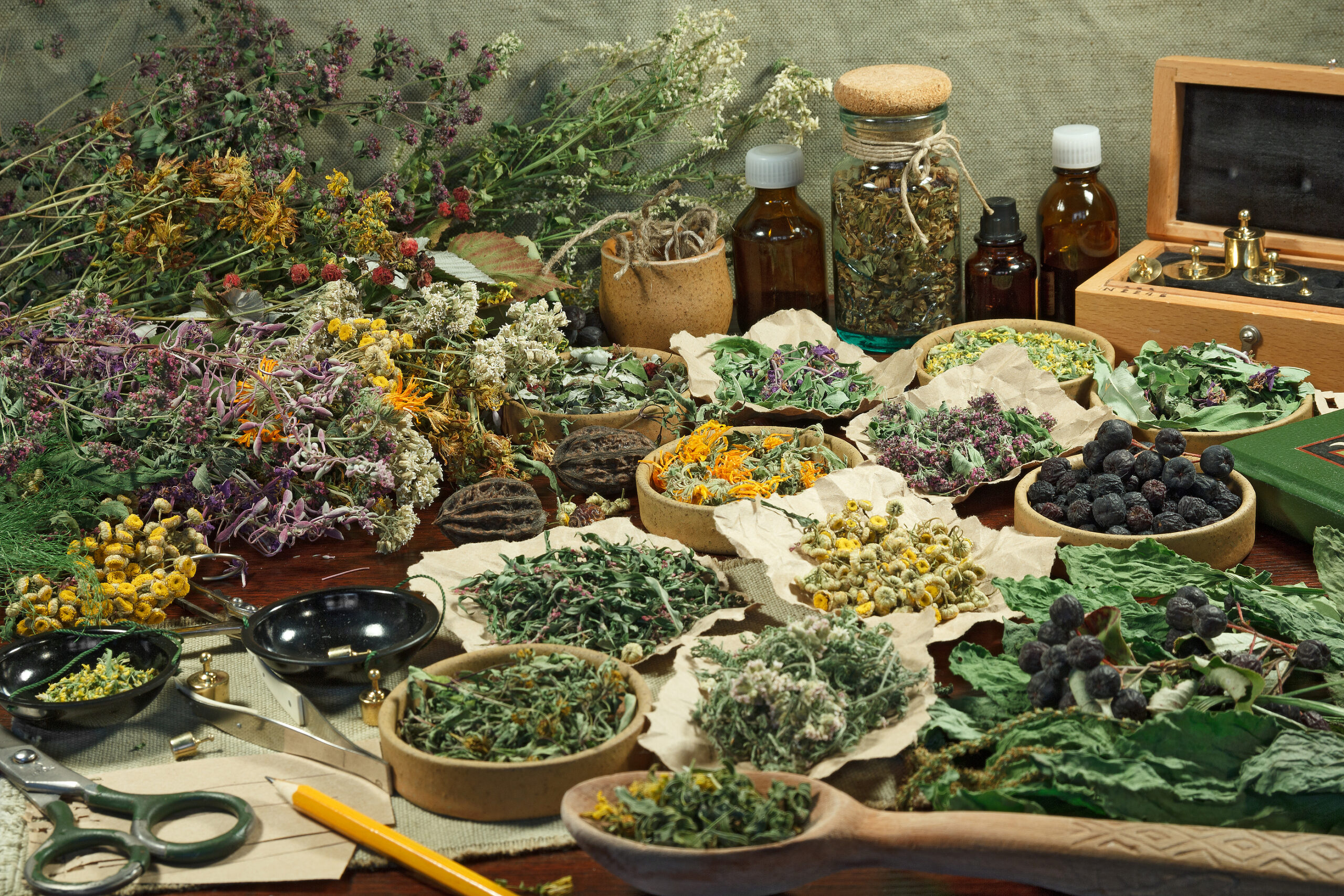
This natural wonder isn’t synthesized in a lab; it’s extracted from the roots, rhizomes, stems, and bark of various plants. Common sources include:
- Barberry (Berberis vulgaris): A shrub native to Europe, Asia, and Africa.
- Goldenseal (Hydrastis canadensis): A North American herb often used in Native American medicine.
- Oregon Grape (Berberis aquifolium): Found in the Pacific Northwest, known for its antimicrobial properties.
- Tree Turmeric (Berberis aristata): Commonly used in Indian Ayurveda.
- Goldthread (Coptis chinensis) and Phellodendron: Key players in TCM.
These plants thrive in diverse environments, from forests to mountainous regions, making berberine a truly global natural remedy. Today, it’s available as a supplement in capsule or powder form, often standardized for purity.
How Does Berberine Work?
At the cellular level, berberine acts like a metabolic master switch. Its primary mechanism involves activating an enzyme called AMP-activated protein kinase (AMPK), often dubbed the “metabolic regulator.” AMPK helps control energy balance by promoting glucose uptake, fat breakdown, and insulin sensitivity while inhibiting excess sugar production in the liver.
Additionally, berberine influences other pathways:
- It activates SIRT1 proteins, which play a role in metabolism and reducing inflammation.
- It exhibits antibacterial effects by targeting harmful gut bacteria while fostering beneficial ones, improving gut microbiota balance.
- Berberine reduces oxidative stress and inflammation by inhibiting pro-inflammatory markers and enhancing antioxidant defenses.
- In the liver, it boosts LDL receptor expression and lowers PCSK9, aiding cholesterol management.
These actions make berberine a versatile compound, potentially mimicking the effects of medications like metformin for diabetes or statins for cholesterol, but through natural pathways.
The Impressive Health Benefits of Berberine
Research highlights berberine’s wide-ranging benefits, backed by clinical studies and meta-analyses. Here’s a breakdown of the key advantages:
- Blood Sugar Regulation and Diabetes Management: Berberine shines in supporting healthy blood glucose levels. It reduces insulin resistance, enhances glycolysis (sugar breakdown), and slows carbohydrate absorption in the gut. Studies show it can lower fasting blood sugar by up to 20% and HbA1c (a long-term blood sugar marker) by 12%, often comparable to prescription drugs. It’s particularly helpful for type 2 diabetes and metabolic syndrome.
- Weight Loss and Obesity Support: By activating AMPK and inhibiting fat cell growth, berberine promotes fat loss. Clinical trials report average weight reductions of 5 pounds over 12 weeks, along with decreased BMI, belly fat, and inflammation markers. It may also suppress appetite in some cases.
- Heart Health and Cholesterol Control: Berberine lowers total cholesterol, LDL (“bad”) cholesterol, and triglycerides while boosting HDL (“good”) cholesterol. Reviews of multiple studies confirm reductions in heart disease risk factors, including blood pressure in some cases. It may also improve endothelial function and reduce atherosclerosis.
- Anti-Inflammatory and Antioxidant Effects: Its ability to curb oxidative stress and inflammation makes it promising for conditions like arthritis or chronic inflammation.
- Gut Health and Antimicrobial Properties: Berberine fights bacteria, viruses, and fungi, helping with infections like H. pylori or antibiotic-resistant strains. It balances the gut microbiome, potentially aiding IBS, NAFLD, and even kidney issues by reducing harmful byproducts.
- Polycystic Ovary Syndrome (PCOS): It improves hormonal balance, reduces testosterone, and enhances lipid profiles, sometimes outperforming standard treatments like metformin.
- Other Potential Benefits: Emerging research suggests roles in cancer prevention (inhibiting cell growth), non-alcoholic fatty liver disease, gout, canker sores, and even depression or heart failure, though more studies are needed.
While promising, remember that individual results vary, and berberine works best alongside a healthy lifestyle.
Potential Side Effects and Cautions
Berberine is generally well-tolerated, but it’s not without risks. Common side effects include digestive discomforts like diarrhea, constipation, gas, bloating, or upset stomach, especially when starting out. Rare issues might include rash or anorexia.
Key cautions:
- Drug Interactions: It can amplify effects of blood sugar-lowering meds (risking hypoglycemia), interact with cyclosporine, tacrolimus, or drugs metabolized by liver enzymes (CYP2D6, 2C9, 3A4), and affect immunosuppressants. Always check with a doctor if you’re on medications.
- Pregnancy and Breastfeeding: Avoid entirely, as it may harm the fetus or infant, potentially causing brain damage (kernicterus) in newborns with jaundice.
- Children and Infants: Not safe, especially for those with high bilirubin levels.
- Other Concerns: May lower blood pressure or slow heart rate in some; high doses could strain the liver. Opt for third-party tested supplements to ensure quality and avoid contaminants.
If you have conditions like diabetes, heart disease, or liver issues, consult a healthcare professional before use.
Dosage Recommendations
For most adults, a standard dose is 500 mg taken 2–3 times per day, totaling 1,000–1,500 mg daily, ideally 30 minutes before meals to enhance absorption and blood sugar effects. Studies support this range for up to 6 months to 2 years, but start low to minimize side effects. Doses under 1 gram per day are easily metabolized by the liver.
Personalize your dosage with guidance from a naturopath or doctor, and cycle off periodically if using long-term.
Final Thoughts
Berberine is a remarkable natural supplement with roots in ancient healing traditions and modern science backing its benefits for metabolism, heart health, and beyond. Whether you’re aiming to balance blood sugar, shed pounds, or support your gut, it could be a valuable addition to your wellness routine. However, safety first—always prioritize professional advice to harness its power responsibly.
Have you tried berberine? Share your experiences on our Facebook page, and stay tuned for more natural health insights!
Disclaimer: This information is for educational purposes only and is not intended as medical advice. Please consult a healthcare professional before starting any new supplement.