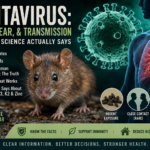
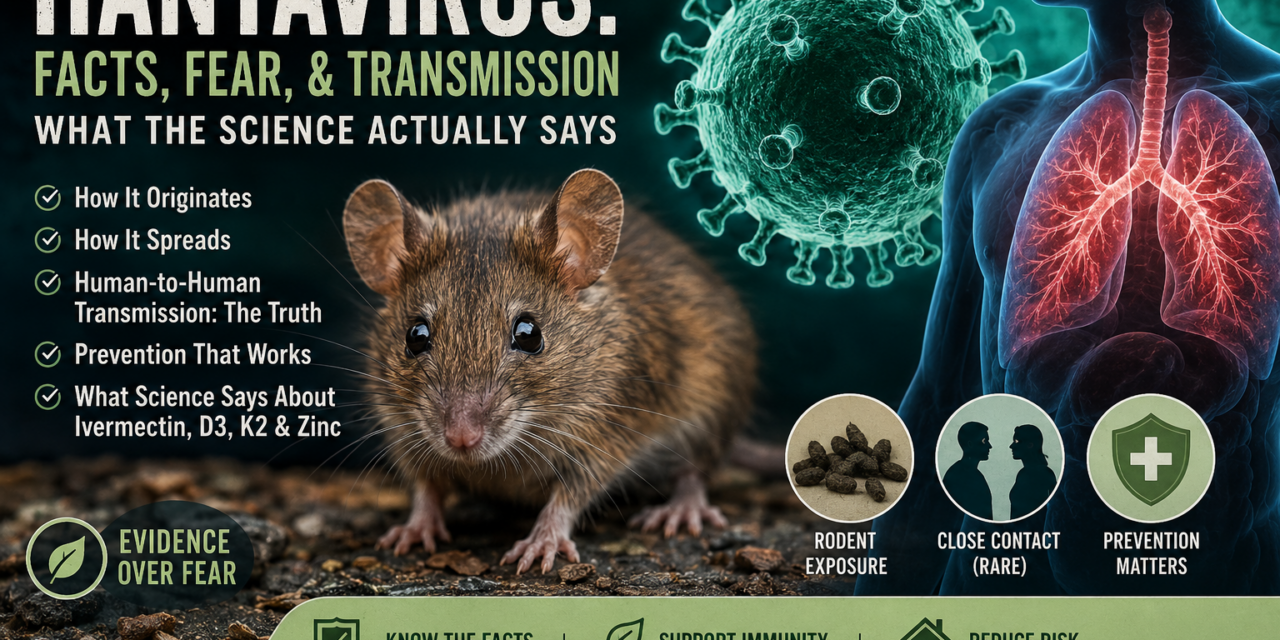
The recent headlines surrounding hantavirus outbreaks have reignited public concern, especially with reports involving the rare Andes strain. But as with many health topics, it’s important to separate what is known from what is assumed—and what is being amplified beyond the evidence.
Hantaviruses are real, serious, and potentially dangerous. They are also relatively uncommon and often misunderstood. This article takes a grounded, fact-based look at what hantavirus is, how it spreads, and what current science actually supports.
What Is Hantavirus?
Hantavirus refers to a group of viruses carried primarily by rodents. Different strains exist globally and lead to different illnesses depending on the region.
In the Americas, the primary concern is:
- Hantavirus Pulmonary Syndrome (HPS) — a severe respiratory condition affecting the lungs.
In Europe and Asia, hantaviruses more commonly cause:
- Hemorrhagic Fever with Renal Syndrome (HFRS) — which primarily impacts the kidneys.
These viruses are classified as single-stranded RNA viruses, meaning their genetic material is composed of a single strand of RNA rather than DNA.
Where Does Hantavirus Come From?
Hantaviruses exist naturally in rodent populations. In North America, the primary carrier is the deer mouse, although other rodents can carry related strains.
The rodents themselves typically show no signs of illness.
The virus is shed through:
- Urine
- Droppings
- Saliva
Humans become infected when they come into contact with environments contaminated by these materials.
High-risk environments include:
- Cabins and vacation homes
- Sheds and barns
- Crawl spaces
- Storage units
- Areas with visible rodent infestation
When dried rodent waste is disturbed, tiny particles can become airborne and inhaled.
This is a key distinction:
The virus can become airborne from contaminated material—but it is not considered an efficiently airborne human-to-human virus like influenza or COVID-19.
How Does Rodent-to-Human Transmission Occur?
Most human infections happen through:
- Inhalation of aerosolized particles from rodent waste
- Touching contaminated surfaces and then touching the face
- Rarely, rodent bites
Higher-risk activities include:
- Cleaning long-unused buildings
- Sweeping or vacuuming rodent droppings
- Handling contaminated materials without protection
- Sleeping in rodent-infested areas
The overwhelming majority of cases are linked directly to rodent exposure—not other people.
Human-to-Human Transmission: What We Actually Know
Most hantavirus strains do not spread between humans.
The primary exception is the Andes virus, found in parts of South America.
Even in those cases, transmission appears to require:
- Close and prolonged contact
- Shared enclosed environments
- Exposure to bodily fluids
- Caregiving or intimate contact
This is not a virus that spreads casually through brief interactions.
It is not comparable to highly transmissible respiratory viruses.
That nuance is often lost in headlines.
Why the Media Coverage Feels Amplified
Certain factors naturally drive attention:
- A relatively high fatality rate
- A respiratory illness component
- The phrase “human-to-human transmission”
- Isolated outbreak scenarios in close quarters
These elements create strong headlines—but they don’t necessarily reflect everyday risk.
Public health agencies continue to characterize overall risk as low, especially outside of direct rodent exposure or very specific close-contact scenarios.
Symptoms of Hantavirus Infection
Early symptoms often resemble common viral illnesses:
- Fever
- Fatigue
- Muscle aches
- Headache
- Chills
As the illness progresses, more severe symptoms may develop:
- Shortness of breath
- Fluid buildup in the lungs
- Respiratory distress
Hantavirus Pulmonary Syndrome can progress rapidly, making early medical attention critical.
The Ivermectin Question: What the Evidence Actually Says
Because hantavirus is a single-stranded RNA virus, some have suggested that ivermectin should be effective against it.
This conclusion is not supported by current clinical evidence.
While ivermectin has shown some antiviral activity in laboratory settings (in vitro), that does not automatically translate into effectiveness in humans.
At present:
- There is no established clinical evidence showing ivermectin treats or cures hantavirus in humans
- No major health authority recommends it for this use
Scientific plausibility is not the same as proven treatment.
Vitamin D3, K2, Zinc, and Immune Protection
There is solid evidence that:
- Vitamin D supports immune regulation
- Zinc plays a key role in immune function
- Nutritional deficiencies can weaken the body’s defenses
However, it is not accurate to claim that having optimal levels of these nutrients will prevent hantavirus infection.
A more evidence-based perspective:
- Strong nutritional status supports overall immune health
- It may improve how the body responds to illness
- It does not guarantee prevention of infection
Avoiding exposure remains the most reliable protection.
Proven Prevention Strategies
The most effective prevention methods are practical and well-established:
Rodent Control
Seal entry points and reduce rodent access to buildings.
Safe Cleanup
Never sweep or vacuum rodent droppings dry.
Instead:
- Ventilate the area
- Wear gloves
- Use disinfectant to soak contaminated areas
- Wipe rather than sweep
Avoid Aerosolization
Disturbing contaminated material increases risk of inhalation.
Use Protective Measures
Especially when entering enclosed or long-unused spaces.
These strategies remain far more important than speculative treatments.
Final Thoughts
Hantavirus is serious—but it is also specific in how it spreads.
The current body of evidence shows:
- Most infections come from rodent exposure
- Human-to-human transmission is rare and limited
- Casual contact is not a significant risk
- Nutritional health supports immunity but does not prevent infection
- Ivermectin is not a proven treatment
Understanding these distinctions helps keep risk in perspective and prevents both underreaction and overreaction.
Clear thinking, evidence-based decisions, and practical prevention remain the most reliable approach.
References
- World Health Organization (WHO) – Hantavirus Fact Sheet
- Centers for Disease Control and Prevention (CDC) – Hantavirus Overview
- CDC – Andes Virus Information
- CDC – Hantavirus Transmission and Prevention
- WHO Disease Outbreak News Reports
- PubMed – Ivermectin Antiviral Studies (in vitro research)
- Reuters – Hantavirus Outbreak Coverage
- Forbes – Ivermectin and Hantavirus Claims Analysis
Disclaimer
This article is for informational and educational purposes only and does not constitute medical advice, diagnosis, or treatment. Always consult a qualified healthcare professional regarding any medical concerns, symptoms, supplements, medications, or treatment decisions. Never delay seeking professional medical care based on information found online.