Most people know aloe vera for one thing:
Sunburn relief.
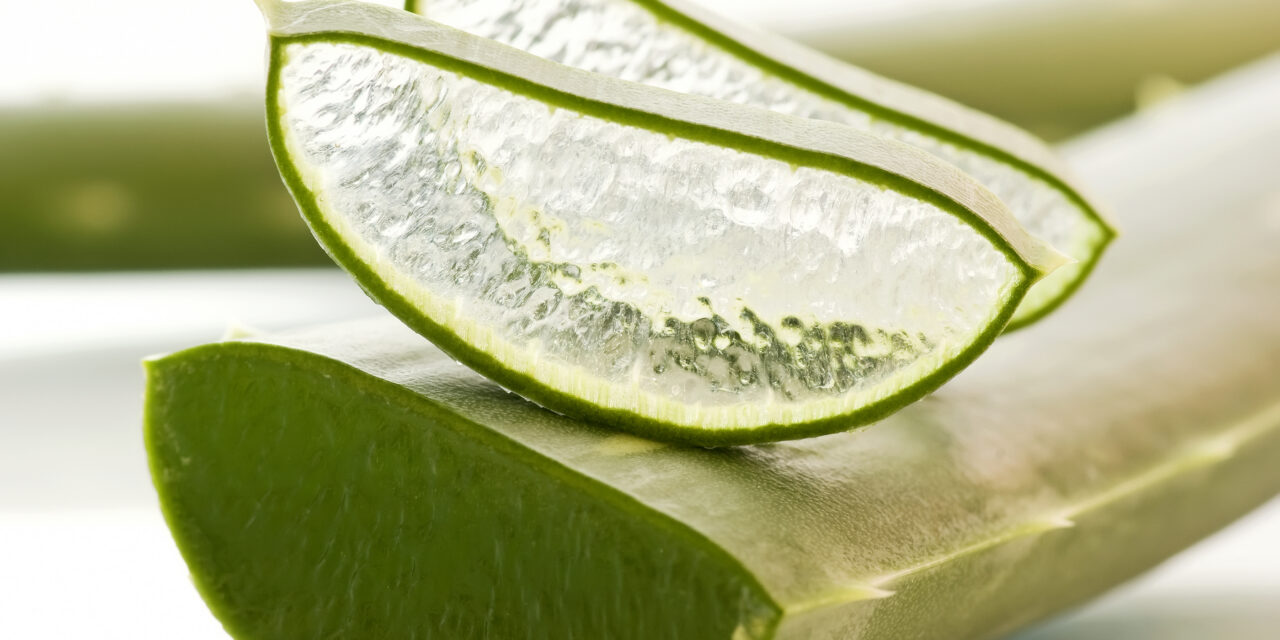
It’s been used for generations as a soothing gel for the skin. But that familiar cooling effect only scratches the surface of what aloe actually does.
Because inside aloe vera is a compound most people have never heard of…
👉 Acemannan
And it may be the real reason aloe has earned its reputation as one of nature’s most powerful healing plants.
What Is Acemannan?
In simple terms, it’s a complex sugar molecule—but unlike the sugars you eat, this one doesn’t exist for energy.
It exists for communication.
Its structure allows it to interact directly with your immune system and cellular pathways, acting as a biological signal rather than a fuel source.
That distinction matters.
Because acemannan doesn’t “do the healing.”
It activates the systems that do.
How Acemannan Works Inside the Body
This is where things get interesting—and where aloe separates itself from most “natural remedies.”
1. It Activates Your Immune System (Without Overstimulating It)
Acemannan interacts with macrophages—one of your body’s primary immune cells.
These cells:
- Detect threats
- Clean up damaged tissue
- Coordinate immune responses
When activated by acemannan, they increase production of signaling molecules like:
- Interleukins
- Tumor necrosis factor (TNF)
- Nitric oxide
This doesn’t send your immune system into overdrive.
It helps it respond more effectively and intelligently.
2. It Helps Regulate Inflammation
Inflammation is often misunderstood.
It’s not something your body needs to eliminate—it’s something it needs to control.
Acemannan helps:
- Reduce excessive inflammatory signaling
- Support balanced immune response
- Shift the body toward repair mode
This is why aloe is often associated with soothing effects—internally and externally.
3. It Promotes Tissue Repair and Regeneration
One of acemannan’s most studied effects is its role in healing and regeneration.
It has been shown to:
- Stimulate fibroblast activity (cells that build tissue)
- Support collagen production
- Accelerate wound healing
- Aid in recovery of damaged tissue
This is the deeper reason aloe works on burns, cuts, and irritation.
Not because it “fixes” the damage…
But because it signals your body to rebuild faster.
4. It Supports Gut Health and Metabolic Function
Acemannan doesn’t just work on the surface.
It also plays a role in the gut, where much of your immune system lives.
It may:
- Support beneficial gut bacteria
- Improve digestive signaling
- Slow glucose absorption
- Promote satiety
That last point is important.
This isn’t just a “healing compound.”
It’s a regulatory compound.
5. It May Play a Role in Advanced Healing Pathways
Early research suggests acemannan may:
- Support bone regeneration
- Enhance immune response to abnormal cells
- Provide protective effects under stress (including radiation)
This area is still developing, but it reinforces the same theme:
Acemannan doesn’t act directly. It amplifies your body’s ability to respond.
Why Most Aloe Products Don’t Deliver Acemannan
This is where things get real—and where most people are misled.
Acemannan is fragile.
It can be:
- Destroyed by heat processing
- Degraded over time
- Reduced during filtration and stabilization
Many commercial aloe products:
- Are heavily processed
- Contain minimal active acemannan
- Focus more on shelf life than bioactivity
So while the label says “aloe vera,” the actual signaling compound may be greatly diminished—or gone entirely.
This is why results vary so widely between products.
What to Look For (If You’re Actually After Acemannan)
If your goal is to benefit from acemannan—not just aloe in name—quality matters.
Look for:
- Cold-processed or minimally processed aloe
- Products that specify acemannan content or activity
- Stabilization methods that preserve polysaccharides
- Inner leaf gel (not whole leaf with latex)
And just as important:
Be skeptical of anything that doesn’t explain how it preserves bioactivity.
Connecting the Dots
In the previous article, we introduced a simple but powerful idea:
Nature doesn’t heal you. It signals your body how to heal.
Acemannan is one of the clearest examples of that principle in action.
It doesn’t replace your immune system.
It doesn’t override inflammation.
It doesn’t rebuild tissue on its own.
It tells your body to do those things better.
Final Thought
Aloe vera has been used for thousands of years.
But only recently have we started to understand why it works.
And the answer isn’t magic.
It’s communication.
Your body already knows how to heal.
Acemannan just helps deliver the message.