Is It a Fall Cold or Fall Allergies? How to Tell, and What Actually Helps
It starts in late August or September. A stuffy nose. Sneezing. A tickle in your throat that won’t go away. You figure you picked up a cold from the grandkids or somebody at work.
But two weeks later you’re still sneezing, and nobody else in the house is sick.
For millions of Americans, that “cold” is fall allergies. For many of them, fall is worse than spring.
Allergies or a Cold? The Quick Test
The symptoms overlap, but a few clues separate them:
- Itchy eyes are typical of allergies and less common with colds.
- Clear, watery drainage points to allergies. A cold often turns thicker as it goes.
- Fever and body aches are uncommon with allergies but can come with a cold.
- How long it lasts. Allergies can drag on for weeks or months. A cold usually clears up in about 7 to 10 days.
- The calendar. Allergies repeat the same pattern every year. If you “catch a cold” every September, that’s a strong hint.
If your symptoms tick the allergy boxes, here’s what’s going on.
Why Fall Allergies Hit So Hard
Ragweed runs the season
Spring belongs to tree pollen and summer to grasses. Fall belongs to ragweed. It usually starts releasing pollen in early to mid-August, peaks around mid-September, and keeps going until the first hard frost, which is roughly 6 to 10 weeks in most areas. In warmer regions, a mild fall can stretch it into November.
It’s nearly impossible to avoid. Ragweed grows wild in almost every state and in Canada, and it’s especially common across the Midwest and East.
The pollen travels a long way
A single ragweed plant can release up to a billion pollen grains in a season, and ragweed pollen has been found 400 miles out to sea. Pulling the weeds in your yard won’t protect you.
Fall weather helps it spread. In September, humidity drops and breezy days become more common, so pollen stays in the air longer and travels farther.
Your immune system may already be worn down
One explanation for why September can feel worse than April, even at similar pollen counts, is that your body has been dealing with allergens since late winter. By fall it may be more reactive. It’s a theory rather than settled science, but it matches what many allergy sufferers describe.
The leaves bring mold
Those beautiful fall leaves turn into damp, decaying piles, and that’s where mold grows. Wet fall weather and fallen leaves keep mold spores in the air. Ragweed tends to dominate early fall, and mold stretches symptoms later into the season.
Indoor triggers pile on
Then the weather cools and the heat comes on for the first time in months. Your furnace blows out dust, pet dander, and anything else that settled in the ducts over the summer. Windows close, and whatever allergens got inside stay inside.
2026 is shaping up to be a rough year
Warmer temperatures and a later first frost are giving ragweed and other weeds more time to grow and release pollen. This is part of a longer trend: warming in 173 U.S. cities has lengthened the time plants have to grow and produce pollen.
The Natural Remedy Trap
If you lean toward natural approaches, this part matters.
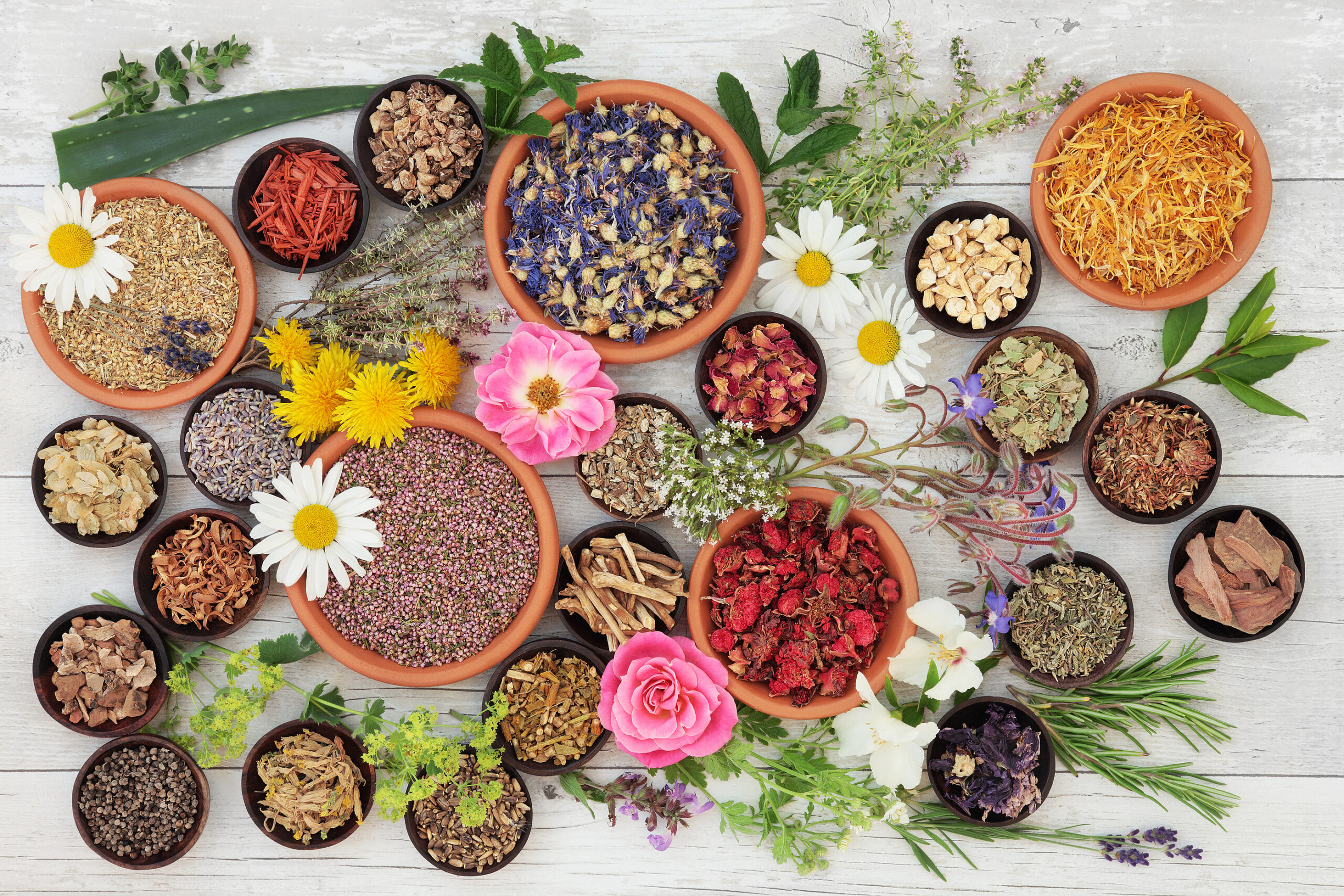
Ragweed belongs to the daisy family. If you’re allergic to ragweed, your immune system can react to related plants and foods. Some of the most common are chamomile tea, echinacea, melons (cantaloupe, honeydew, watermelon), bananas, cucumber, zucchini, and sunflower seeds. Symptoms usually show up in the mouth and throat: itching, tingling, or mild swelling after eating the food raw. This is called oral allergy syndrome.
Consider what that means. You’re stuffy and run-down, so you drink chamomile tea to relax and take echinacea because you think you’re fighting a cold. For a ragweed-allergic person, both can make things worse.
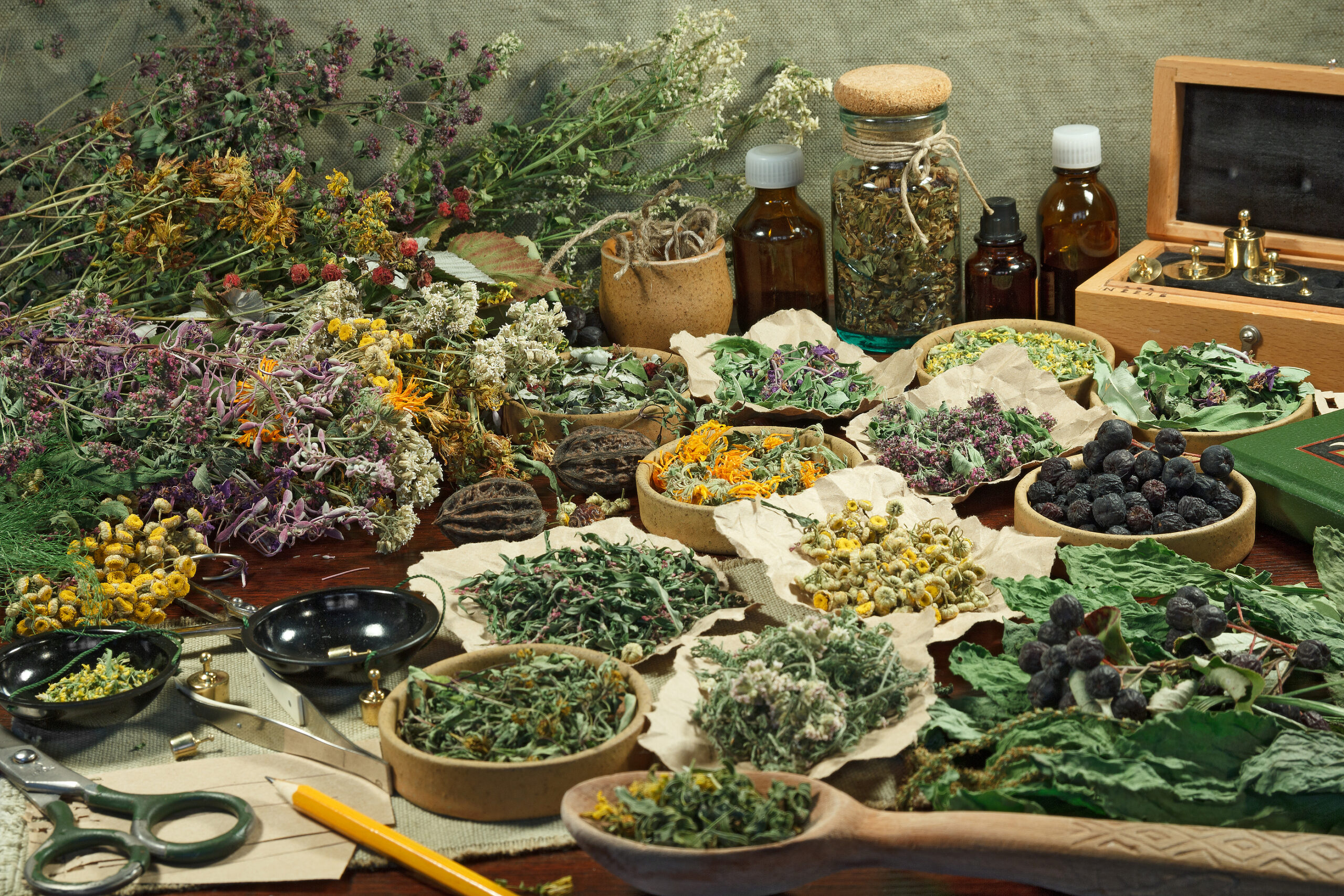
Some herbal allergy remedies carry the same risk. Butterbur, a popular one, can cause allergic reactions in people sensitive to ragweed, chrysanthemums, marigolds, and daisies.
None of this means everyone with fall allergies has to give up these foods. A reaction to one food doesn’t mean you’ll react to everything related to it. But if your symptoms flare after that afternoon cup of chamomile, now you know why.
What Actually Helps
Rinse it out
Saline nasal rinses, using a neti pot or squeeze bottle, have some of the best evidence of any natural approach. They physically wash pollen and mold spores out of your nasal passages.
One important rule: Use distilled or boiled water, never straight from the tap. Tap water can carry rare but dangerous organisms, including an amoeba called Naegleria fowleri, which survive in the nasal passages and can cause serious infections.
Time your outdoor hours
Ragweed pollen peaks in the morning, roughly 8 to 10 AM, especially on dry, windy days. If you can, save yard work and walks for later in the day or right after a rain.
Filter your air
Ragweed pollen is fine enough to get into your home easily. That makes a HEPA air purifier more useful in fall than in spring. Put one in the bedroom, where you spend eight hours breathing.
Handle the leaves carefully
- Wear an N95 mask when raking or blowing leaves.
- Don’t leave wet leaf piles near the house.
- Better yet, hand the job to someone without allergies.
Leave the pollen at the door
- Shower and change clothes after spending time outside.
- Wash your bedding weekly in hot water.
- Keep windows closed on high-pollen days, in the car too.
- Replace your HVAC filter before you turn the heat on for the first time.
Watch for the first freeze
Relief has a clear end date. Ragweed stops releasing pollen right after the first hard freeze. Keep an eye on the frost forecast.
What About Local Honey?
It’s one of the most popular natural allergy remedies, and it’s a nice idea: eat honey made from local pollen and build up your tolerance. Unfortunately, the research doesn’t back it up. There’s no convincing evidence that honey relieves seasonal allergies.
For fall allergies it makes even less sense. Ragweed is spread by the wind, not by bees, so there’s very little ragweed pollen in honey. Enjoy it in your tea, just not the chamomile.
What About Butterbur?
Some studies of butterbur suggest it may help with hay fever symptoms, but the evidence isn’t convincing, and there are real safety concerns. Raw butterbur extracts contain compounds that can cause liver damage and cancer. If you try it, use only products certified “PA-free,” check with your doctor first, and remember the ragweed cross-reaction above.
Long-Term Relief
If fall wipes you out every year, ask an allergist about immunotherapy. Allergy shots can reduce your sensitivity to the allergens causing your symptoms. For some people with ragweed allergy, dissolving tablets under the tongue are another option. The goal isn’t just to get through one season but to make the allergy go away over time.
When to See a Doctor
Get medical attention promptly for:
- Wheezing, shortness of breath, or chest tightness
- High fever, severe facial pain, or swelling around the eyes
- Symptoms that keep getting worse despite consistent self-care
Fall allergies can also trigger asthma flare-ups, so if you have asthma, don’t wait these out.
The Bottom Line
If your “cold” shows up every fall, lasts for weeks, and comes with itchy eyes and clear drainage, it probably isn’t a cold. Ragweed and mold are the likely culprits, and some of your go-to natural remedies may be adding fuel to the fire.
Rinse, filter, time your outdoor hours, handle the leaves carefully, and watch for that first frost. Relief is coming.
This article is for informational purposes only and is not medical advice. Consult a qualified healthcare provider about your symptoms and before starting any new supplement or treatment.