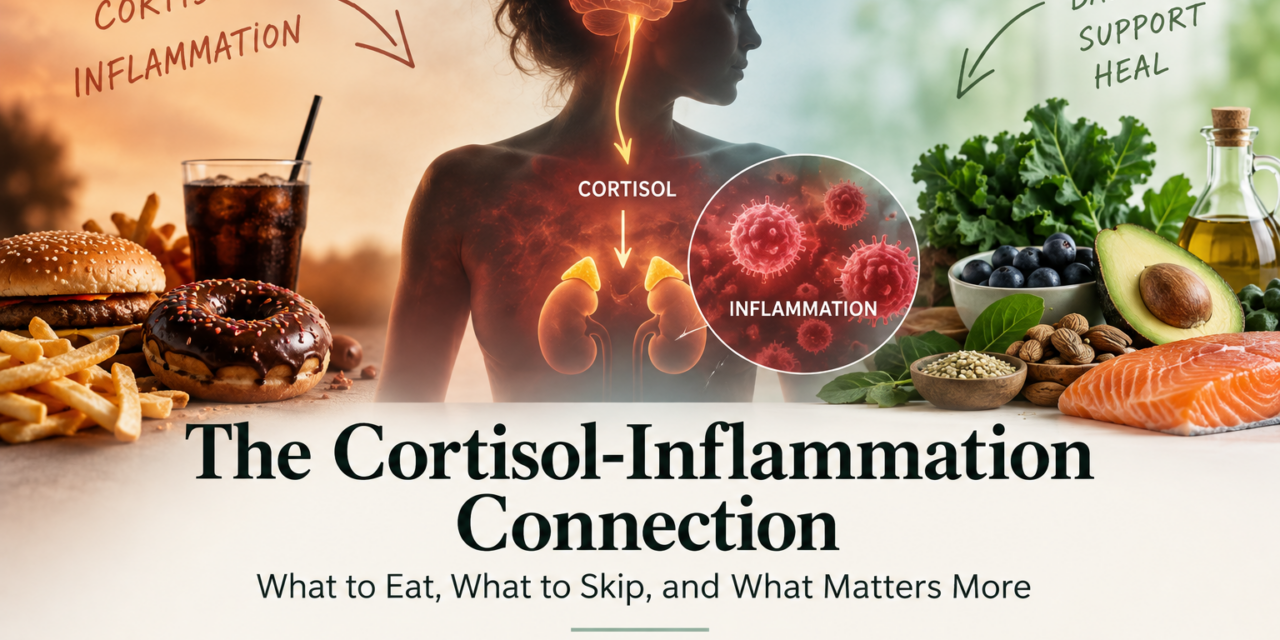
Chronic inflammation shows up in the research behind nearly every major modern illness, including heart disease, type 2 diabetes, joint pain, and cognitive decline. Cortisol, the body’s main stress hormone, is tangled up in the same story. In short bursts, both are useful. Inflammation heals injuries, and cortisol gets you through a crisis. The trouble starts when they never shut off.
The good news is that the biggest drivers are things most of us control. Here’s what the evidence points to, starting with food, then supplements, and ending with the habits that matter even more than either.
What to Cut Back On
Added sugar and refined carbs. White bread, pastries, soda, and sweetened coffee drinks send blood sugar up fast and down hard. Your body answers the crash with cortisol, and repeated spikes push inflammatory markers higher over time.
Ultra-processed foods. Packaged snacks, fast food, and processed meats like hot dogs and deli meats are consistently linked to higher levels of C-reactive protein (CRP), a standard blood marker for inflammation.
Alcohol. This is the one people least want to hear about. Even moderate drinking raises cortisol and fragments sleep, and poor sleep raises cortisol further. For many people, cutting back on alcohol does more than any other single dietary change.
Too much caffeine, too late. Coffee itself has anti-inflammatory compounds, so there’s no need to quit. But heavy intake raises cortisol, and caffeine after noon quietly erodes sleep quality.
Fried food. The issue is less any single oil than the steady diet of fried, processed food that usually comes with it, and the imbalance of too many omega-6 fats against too few omega-3s.
What to Eat More Of
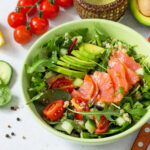
If you want one proven template, it’s the Mediterranean diet. It has the strongest research behind it for lowering inflammation. In practice, that means:
- Fatty fish such as salmon, sardines, and mackerel, two or three times a week. Their omega-3 fats are the best-documented anti-inflammatory nutrient we have.
- Extra virgin olive oil as your everyday fat.
- Colorful vegetables and berries, especially leafy greens, broccoli, Brussels sprouts, and blueberries.
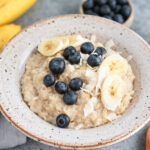
- Beans, lentils, and oats. Their fiber feeds gut bacteria that produce anti-inflammatory compounds.
- Fermented foods like yogurt, kefir, sauerkraut, and kimchi. A 2021 Stanford study found that a diet high in fermented foods lowered inflammatory markers.
- Nuts and seeds, particularly walnuts, chia, and flax.
- Magnesium-rich foods such as pumpkin seeds, spinach, avocado, and dark chocolate (70% cacao or higher). Magnesium plays a direct role in regulating the stress response.
- Green tea, which has less caffeine than coffee plus L-theanine, an amino acid that takes the edge off stress.
Eating regular meals with enough protein matters too. Skipping meals under stress tends to push cortisol up, not down.
Supplements Worth Considering
Supplements should support a good diet, not stand in for one. These have the best evidence:
- Fish oil, 1 to 3 grams of combined EPA and DHA daily.
- Magnesium glycinate, 200 to 400 mg in the evening, for sleep and stress.
- Vitamin D3 with K2, if blood work shows you’re low. Low vitamin D tracks closely with higher inflammation.
- Ashwagandha (KSM-66), around 600 mg daily. Several clinical trials have shown meaningful drops in cortisol.
- Curcumin, but only in an absorbable form (look for Meriva or curcumin paired with piperine). Plain turmeric powder barely gets absorbed.
- L-theanine, 100 to 200 mg, for calm without drowsiness.
A few cautions: ashwagandha can affect thyroid levels and interact with certain medications, and both fish oil and curcumin mildly thin the blood. Buy brands with third-party testing seals such as NSF or USP, and talk to your doctor before starting anything if you take prescription medications.
The Habits That Matter Even More
Food and supplements help, but the biggest levers aren’t on your plate.
Sleep. One bad night measurably raises cortisol the next evening. Consistently getting seven to eight hours may be the most powerful anti-inflammatory habit there is.
Sleep apnea. It’s widely underdiagnosed, especially in men over 50, and it floods the body with stress hormones all night long. If you snore loudly or wake up tired no matter how long you slept, ask your doctor about a sleep study.
Belly fat. Fat stored around the organs isn’t just sitting there. It actively releases inflammatory compounds. Losing even 5 to 10 percent of your body weight makes a measurable difference.
Sitting. Long hours at a desk or behind the wheel carry risks even for people who exercise. Get up every 30 to 60 minutes, and take a short walk after meals.
Your gums. Chronic gum disease feeds inflammation throughout the body and is linked to heart disease. Flossing and regular cleanings count as health care, not just dental care.
Stress that never ends. Stress itself isn’t the problem. Stress with no off switch is. Build some real downtime into every day, whether it’s a walk outside, breathing exercises, or an hour away from your phone.
Isolation. Research has put the health effects of chronic loneliness on par with smoking, largely through these same stress and inflammation pathways.
Where to Start
If you only change a few things, prioritize them in this order: fix your sleep, cut back on alcohol, reduce sugar and processed food, and move more throughout the day. Those four will do more than any supplement you can buy.
To see whether it’s working, ask your doctor for a baseline blood test: high-sensitivity CRP (hs-CRP), vitamin D, and optionally a morning cortisol level. Retest in three to six months.
This article is for informational purposes and isn’t medical advice. Talk with your healthcare provider before making significant changes to your diet or starting new supplements, especially if you have a medical condition or take medications.